Back to the Roots: Buying Less and Keeping Longer
“ Time is the wisest counselor of all. ”
—— Pericles
It is easy to buy more than we need. Trends appear constantly, and pieces that feel exciting at first often lose their place in the rhythm of everyday life. After a while, you notice that the clothes you keep wearing are rarely the newest additions. They are the ones that feel natural to reach for—the items that work without much thought. Over time, these pieces become dependable, and the impulse to replace them simply fades away.
Choosing fewer things happens gradually. The pieces that remain are those that hold their shape and feel right after repeated wear. They fit into your routine in a way that impulsive purchases rarely do. A smaller wardrobe does not feel limited; it feels settled. Instead of looking outdated, these garments become more personal the longer they remain in your rotation.
Back to the Roots
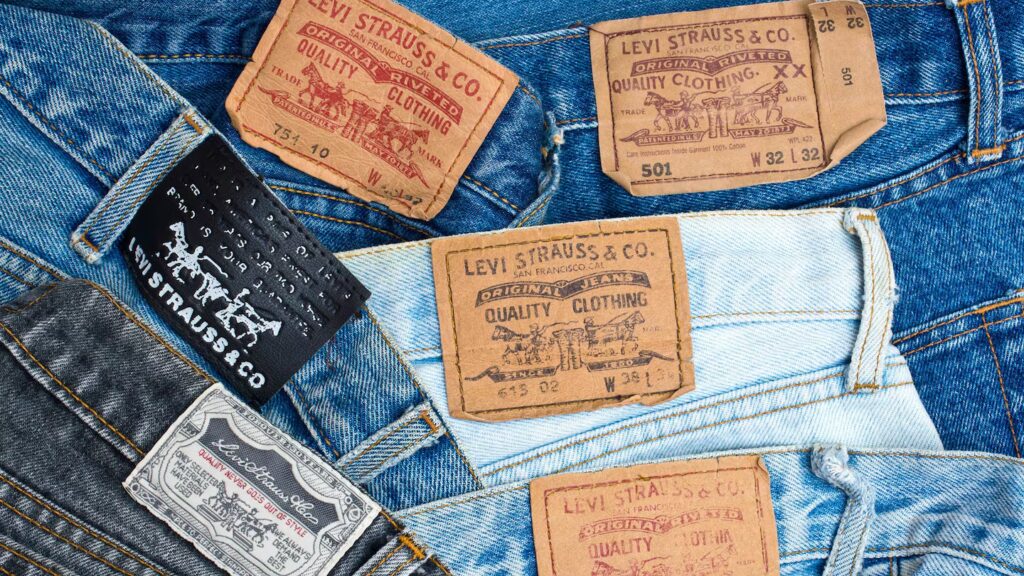
This sense of permanence is rooted in the history of functional design. Levi Strauss originally created clothing for people who needed something dependable for physical work. Strength and practicality were expected qualities rather than mere selling points. That sense of purpose still feels present in the garments today.
A pair of Levi’s jeans often moves through three distinct stages of life with you:
The Break-in: Initially crisp and stiff, carrying the slight “stranger” feeling of a brand-new garment.
The Softening: The fabric begins to yield to your movements, and the indigo fades naturally with every friction and fold.
The Companion: Eventually, the fit molds completely to your silhouette, becoming something entirely distinct from a new pair off the shelf.
Time Will Reveal
None of these changes happen quickly. They appear slowly, almost without notice. Time has a way of revealing what is truly worth keeping. Clothes that remain useful after years of wear begin to feel reliable in a way new purchases rarely do.
Eventually, you may pick up an old pair of jeans and realize just how long they have been part of your journey. The fading and wear are not signs that something is finished; they are proof that it has lasted. In an era of disposable fashion, durability remains the clearest measure of quality. Usually, the pieces that stay the longest turn out to be the ones most worth keeping.
(This blog post was initially written by me, but the final version was enhanced with AI.)